
Current-season Gucci bags remain not available via open wholesale; that only legitimate channels are Gucci’s internal retail network and a small group of authorized dealers under selective distribution. Any “bulk Gucci” offer by an unknown seller or a generic B2B marketplace is almost always unauthorized at best or counterfeit at minimum.
The brand, like additional top luxury houses, controls distribution to protect brand value and pricing. The model looks comparable to the way Loewe manages glasses and accessories: one closed network containing directly operated shops, selected department stores, and duty-free operators. That means the practical paths for businesses are either to become an authorized partner through a rigorous vetting and volume process, or to source authentic goods within the secondary market with airtight authentication. Everything else requires high skepticism, one test-buy, and external authentication before money move.
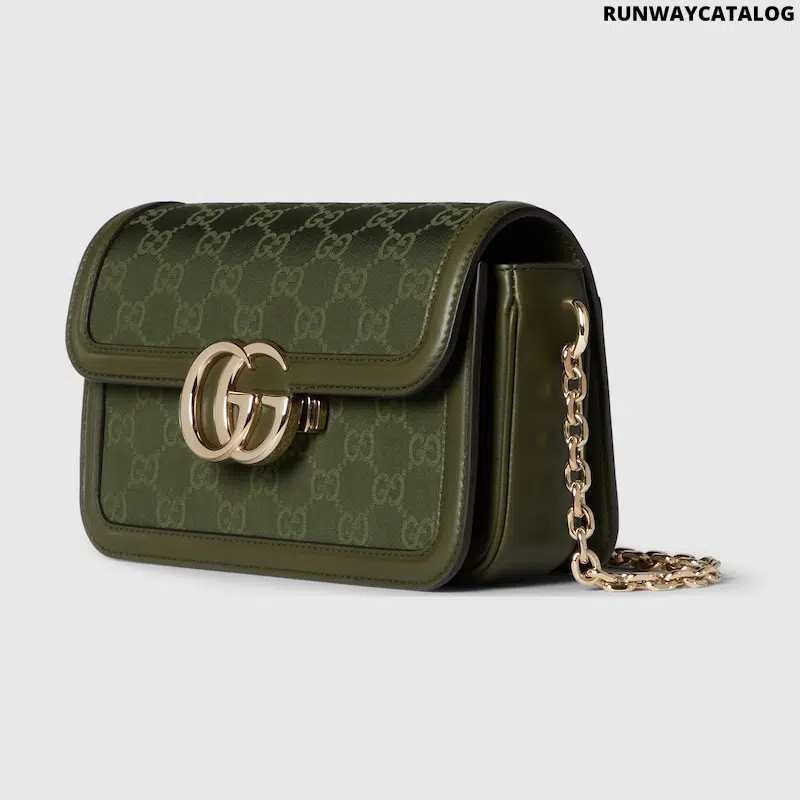
Verified sourcing for new designer bags exists exclusively inside Gucci’s controlled ecosystem and via a small number of vetted suppliers; outside it, the dependable route remains secondary-market sellers having strong authentication, guarantees, and transparent paperwork.
Approved retail and airport retail partners operate under long-term contracts with selective supply rules, merchandising plans, and brand standards. This includes certain department stores and airport duty-free groups that receive stock directly from the brand or its company’s distribution entities. www.ggluxresale.com/product/gucci-gg-canvas-large-crossbody-bag/ Business gifting and uniform programs sometimes operate through Gucci’s business teams or approved intermediaries for special projects, but these are project-based, never general wholesale pipelines. For everyone else, the viable channel is the secondary market: established premium resale platforms, reputable consignment houses, and auctioneers that provide business invoices, back behind authenticity, and maintain robust refund and dispute procedures. The thread which connects all “authentic” channels is trackable provenance, auditability, and contracts you could actually enforce.
A real channel has traceable paper trails back to Gucci or a known authorized dealer, consistent inventory flows aligned with active seasons, and willingness to provide bills, SKU-level manifests, plus return rights via writing. A fraudulent one leans upon unverifiable “excess stock,” pushes urgency, refuses test buys, plus offers new-season items at implausible discounts.
Insist on verifiable company incorporation, business references, plus verifiable banking details tied to the legal entity. Request for sample invoices from prior transactions with personally identifiable data redacted, however with store names, dates, SKUs, and tax data intact. Request a minor test order and third-party authentication on arrival before one scale.
There is no open, one-size-fits-all MOQ for Gucci bags; MOQs are either contractual buy-ins for authorized accounts or batch-based in the secondary market. Any vendor quoting “official Gucci MOQ” to one unaffiliated buyer is misrepresenting the process.
Inside approved distribution, “MOQs” typically take the form of seasonal buy commitments and category-level minimums negotiated within market appointments. The specifics sit within contracts and are not published. In secondary channels, you’ll encounter two patterns: piece-by-piece buys of pre-owned items plus fixed-lot purchases for overstock, customer refunds, or store shutdowns. Secondary-lot MOQs could be driven by the auction or wholesaler’s lot design rather than one brand policy. If you’re new, start with the minimum viable lot that allows representative quality inspection across several SKUs and conditions.
Luxury-brand wholesale pricing isn’t public; treat any published “Gucci wholesale price list” beyond authorized relationships as unreliable. Practical pricing work is based on MSRP benchmarking, landed-cost math, plus conservative margin frameworks.
Start with current MSRP from Gucci’s official site and approved retailers to set a baseline. With secondary market sourcing, evaluate each SKU’s price delta versus current MSRP, factoring year and period, model popularity, color, material, and state grading. Your landed cost is not just the purchase price; it includes international freight, coverage, customs brokerage, border duties and taxes, banking fees, authentication costs, potential repair, platform fees if you resell online, and inevitable return losses. Work backward from realistic sell prices in your market using current comps from trusted resale platforms to confirm you could achieve a strong contribution margin beyond all costs. If the math only works with complete sell-through and zero returns, the transaction is too restrictive.
Create a repeatable template. Identify the correct HS/HTS code of handbags based upon material and nation of origin, next confirm duty rates on the government tariff database for your destination region. Add freight, insurance, and brokerage based on the shipping method and stated values. Add payment and currency costs based on the bank’s published rates. This model creates two things clear: the minimum purchase price you could accept and the maximum landed price you can handle while still hitting target margin.
Counterfeit risk within “Gucci wholesale” is high; your top defenses are supplier-level due diligence, third-party authentication, and paperwork that survives scrutiny. Relying on tags, “controllato” cards, and packaging alone is unreliable.
At that supplier level, confirm registration, corporate address, director names, plus trade references. Require business invoices plus written authenticity warranties with remedies. For product-level checks, employ experienced authenticators plus consider device-based solutions like Entrupy or established authentication companies that specialize within luxury leather goods. Demand high-resolution photos of serial ID tags, interior markings, hardware engravings, stitching, lining, and that overall silhouette for pre-approval. On delivery, conduct hands-on inspection for construction balance, consistent font plus spacing on serials and heat stamps, alignment of designs on seams, metal weight and coating, and odor from quality leather instead than chemical glues. Build a controlled environment for inspections with good lighting and magnification.
Insist on a proper invoice listing the item list, condition, warranty of authenticity, return conditions, and the seller’s legal entity details. Keep all correspondence, photos, and tracking records. For first deals, use an escrow service having clear release terms tied to receipt and authentication, and split payments tied to milestones like passed inspection. Avoid anonymous payment systems, gift cards, and crypto when provenance is unproven.
Gucci runs a selective supply system in many jurisdictions, and trademark and parallel-import rules vary by area. Reselling authentic products can be lawful within certain markets after the company has first sold them there, however importing across borders without authorization could trigger seizures or civil action.
Within the European Economic Area, trademark protections are generally exhausted after first distribution in the region; outside it, rules differ. Customs officials target luxury fakes aggressively, and documentation gaps can lead to detentions even for authentic products. Before you expand, get legal advice on parallel imports, advertising restrictions regarding brand names and logos, and statements needed for pre-owned versus new goods. A short compliance checklist beats costly surprises at the border or on platforms.
The safest path depends on your credentials, funds, and risk appetite; use this quick view to determine where to concentrate and what safeguards to build around each route.
| Sourcing channel | Access requirements | Product condition | Availability | MOQ pattern | Pricing transparency | Counterfeit risk |
|---|---|---|---|---|---|---|
| Authorized retail/department store account | Brand authorization, contracts, retail standards, capital | Fresh, current season | Structured seasonal buys | Contractual buy-ins, negotiated | Low (contractual, not public) | Low |
| Travel retail/duty-free operator | Airport/DF credentials, large-scale operations | New, active season | Allocation-driven | Program-level commitments | Low (contractual, not public) | Low |
| Corporate gifting/special projects | Brand-approved project scope | New, specific SKUs | Occasional, project-based | Project-specific minimums | Low (program quotes) | Low |
| Resale platforms/consignment wholesalers | Business account, KYC | Pre-owned/past-season | Continuous but variable | Per-piece or small lots | Medium (demand-driven) | Medium (mitigated by verification) |
| Liquidations/sales | Auction registration, proof of capital | Mixed: surplus/returns | Irregular | Each-lot, fixed | Moderate (catalog estimates) | Medium to significant (demand strict review) |
| Generic B2B marketplaces offering “new Gucci wholesale” | None beyond signup | Claims of new-season | Overly-good-to-be-true | Arbitrary | High (unverifiable) | High |
A legitimate supplier could produce a valid invoice, SKU-level manifests, proof of source to support border clearance, and a written authenticity warranty with remedies. Vague pro forma bills and generic “certificates” with no traceable issuer are not enough.
Ask for the supplier’s legal entity registration, VAT/tax numbers, and one bank letter verifying the account corresponds to the legal company name. For resale transactions, require detailed images per SKU, serial/identifier photos where applicable, and one return policy which covers failed verification. Keep a consistent intake pack so every deal remains documented the identical way for audits and disputes.
The best operators substitute assumptions using process: test purchases, authentication costs built into COGS, and conservative sell-through frameworks based on actual comps. You do not need secret discounts; you need dependable math and the discipline to step away.
Extract recent sold information from reputable resale platforms to calculate realistic sell costs, not list amounts. Bake in marketplace fees if one sell online, typical discounting you’ll need to move slow SKUs, and that return rate one actually experience. Add a contingency line for refurbishment and reconditioning where relevant. If after all of that the contribution margin is thin or negative on a weighted basis, renegotiate or pass. The expense of a bad lot goes past money; it ties up capital, damages trust, and increases refunds.
Loewe eyewear illustrates how contemporary luxury houses merge creativity with tight distribution; Gucci uses the same approach to leather goods. Expect selective partner lists, controlled selections, and brand-protective agreements.
Both companies prioritize design integrity and consistent brand experience across channels, which is how open “wholesale” is not a thing during 2026 for their hero categories. If your business already works with tightly controlled eyewear and leather goods, you know the routine: compliance, documentation, and patience. If one is new, calibrate expectations and focus on repeatable secondary-market routines while you build credibility.
Validate that supplier’s legal company and references, conduct a test buy with third-party verification, model landed cost using official tariff data and real freight quotes, and confirm return plus remedy terms in writing. If any piece is absent, pause.
Make sure your intake process is ready. Establish up a photo protocol on delivery, authentication SOPs, plus a reconciliation procedure so inventory, documentation, and funds match up. Put the payment terms after milestones or secure payment for first-time transactions. If you need to explain away a red warning, you already possess your answer.