
The psychology of gambling in casinos is a fascinating topic that delves into why individuals are often drawn to games of chance. The environment itself is crafted to entice and engage players, filled with vibrant lights, sounds, and the thrill of the unknown. This sensory overload can activate the brain’s reward system, releasing dopamine and creating a sense of excitement. Many are especially intrigued by options like australian online pokies payid , as the anticipation of winning can be exhilarating, providing a psychological high that many find hard to resist. The immersive experience of a casino can often feel like stepping into a different world, where the normal rules of time and money seem to bend, heightening the allure.
Moreover, gambling taps into a range of psychological factors that drive behavior. Social interaction is a significant aspect, with many people visiting casinos for the communal experience, whether it’s cheering for a roulette spin or bonding over a poker table. This social dynamic not only enhances enjoyment but creates a sense of belonging. The combination of socializing and competing can lead to a powerful emotional connection that keeps players returning. Many gamblers find that their experiences are enriched by the shared excitement and camaraderie with others, transforming a solitary activity into a communal celebration.
Additionally, the thrill of risk-taking plays a crucial role in the allure of gambling. Many individuals are naturally inclined to seek out risks, and casinos provide a safe outlet for this curiosity. Whether it’s the prospect of winning big or the mere chance of a payout, the subconscious excitement of placing bets can be a powerful motivator. This interplay of risk and reward heightens the entire gambling experience, making it an attractive pursuit for many. The prospect of a life-changing win or the adrenaline rush of a near-miss can create an addictive cycle that is hard to resist.
Cognitive biases significantly influence how gamblers perceive their chances of winning. One common bias is the ‘gambler’s fallacy,’ where individuals believe that past random events can influence future outcomes, such as thinking a slot machine is “due” for a payout after a series of losses. This fallacy can lead to irrational betting behavior, as players ignore statistical realities in favor of a false sense of control over their luck. The belief that their streaks or patterns will dictate future outcomes can lead to increased losses, as individuals chase their perceived luck.
Another important cognitive distortion is the illusion of control, where gamblers believe they can influence the outcome of games of pure chance. For instance, players may think they can impact the roll of dice or the shuffle of cards through their actions, leading to increased betting and participation despite the lack of actual control. This belief often leads to continued engagement in gambling, as players become convinced that their decisions can alter the game. The momentary thrill of feeling in control can overshadow the reality that these games are fundamentally based on chance.

Lastly, the concept of near-miss outcomes can also affect gambling behavior. When a player almost wins—like landing two out of three symbols on a slot machine—this experience can trigger excitement and a desire to keep playing. The brain interprets these near-wins as victories, reinforcing the behavior and often leading to prolonged gambling sessions. This cycle of near-misses and subsequent retries creates a compelling loop that keeps players enthralled. Gamblers may feel invigorated by these experiences, mistakenly believing that a win is imminent, which can lead to prolonged sessions and increased financial stakes.
Emotions play a pivotal role in shaping a gambler’s decisions. Strong feelings such as excitement and elation can create a heightened state of arousal that encourages more aggressive betting. When a player is on a winning streak, the emotional high can cloud judgment, leading to riskier decisions that may not align with their financial well-being. The thrill of winning can create a rush that is intoxicating, often preventing players from considering the potential for loss. This emotional engagement can lead to a feeling of invincibility, where players disregard their limits in pursuit of continued excitement.
Conversely, negative emotions can drive gambling as a coping mechanism. For some, visiting a casino may serve as an escape from stress, anxiety, or depression. The environment’s immersive nature can provide temporary relief from these feelings, leading players to gamble more in hopes of finding solace or a way out of their problems. This emotional association between gambling and relief can be a slippery slope, where players continue to engage despite detrimental effects on their lives. The casino can become a sanctuary for some, where the outside world fades away, but this can lead to an unhealthy reliance on gambling as a stress reliever.
Furthermore, the emotional rollercoaster of gambling can create a dependency that perpetuates the cycle of play. The highs of winning juxtaposed with the lows of losing can make gambling an addictive pursuit. Players may chase the high of a win, fueling their desire to return even after significant losses. This emotional push and pull creates a complex relationship with gambling that is difficult for many to manage. Recognizing the impact of emotions on gambling behavior is crucial for both players and those around them, as it can help identify when gambling becomes problematic.
The social dynamics of gambling cannot be overlooked when exploring its psychological implications. Many gamblers seek the camaraderie of fellow players, forming social bonds that enhance the overall experience. Casinos often encourage this interaction through communal games, such as poker or blackjack, where players engage with one another in a competitive yet friendly atmosphere. This social environment promotes a sense of belonging, as individuals share in both victories and defeats. The shared experience of winning or losing can create strong friendships and a sense of community that extends beyond the casino floor.
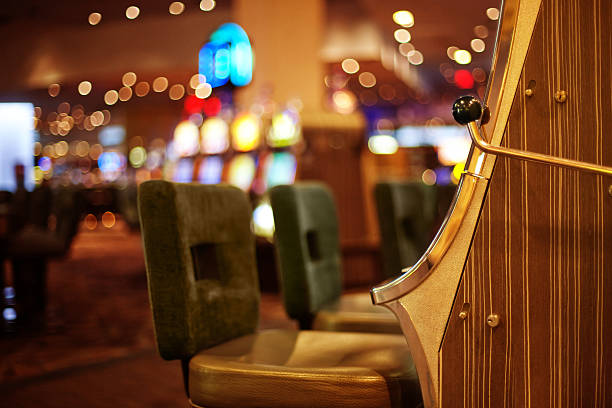
Moreover, peer influence can significantly impact gambling behavior. Friends and family members can either encourage or deter gambling, depending on their attitudes and behaviors. For instance, someone may be more likely to gamble if their peers view it as a fun and acceptable activity. Social validation plays a crucial role in reinforcing gambling habits, making it a collective experience rather than an isolated one. The presence of others can amplify the thrill of gambling, as shared excitement often leads to increased engagement and participation.
Additionally, the thrill of competition can be deeply rooted in the psychology of gambling. Players often experience a rush from competing against others, whether in tournaments or casual games. This competitive spirit can enhance engagement and increase the likelihood of continued play. The shared experience of competition fosters a community atmosphere within casinos, making it more than just a venue for gambling but a space for social interaction and shared experiences. This social aspect can be a double-edged sword, fostering connections while also potentially leading to problematic gambling behaviors when competition becomes excessive.
As the allure of gambling can lead to negative consequences, understanding responsible gambling practices is essential for players. Many casinos and online platforms offer resources to educate individuals on the risks associated with gambling. These resources can help players recognize the signs of problematic gambling behaviors and encourage them to set boundaries, ensuring that gambling remains a form of entertainment rather than a source of distress. By promoting awareness and education, casinos can contribute to a healthier gambling environment.
In addition to educational resources, support networks and counseling services are vital for those who may struggle with their gambling habits. Many organizations provide assistance to individuals seeking help, offering guidance on how to regain control over their gambling activities. These services often emphasize the importance of awareness and self-assessment, allowing individuals to evaluate their relationship with gambling and make informed decisions. Access to support can be crucial in helping players navigate the emotional and financial complexities associated with gambling.
Furthermore, many casinos are becoming more proactive in promoting responsible gambling. Initiatives such as self-exclusion programs and limits on betting can help minimize the risks associated with gambling. By fostering a culture of responsibility, both gambling establishments and players can work together to ensure a safer gambling environment, allowing individuals to enjoy the thrill without falling prey to its pitfalls. The collaboration between players and casinos can create a more balanced approach to gambling, focusing on enjoyment while being mindful of potential risks.