
9mm Ammo Still In Stock: Secure Your Defense Rounds Now
Have you ever wondered why the Rifle Ammo for Sale 9mm cartridge feels so effortlessly reliable in your hands? It works by channeling a precisely measured charge of gunpowder behind a jacketed bullet, creating consistent pressure that drives the projectile at a balanced velocity for controlled, accurate shooting. This design gives you manageable recoil, which means you can stay on target longer and build confidence with every round you fire. For self-defense or range practice, its dependable feeding and stopping power offer you a sense of security that’s both practical and reassuring.
The 9mm Luger’s dominance isn’t about hype—it’s about the cartridge’s quiet ability to balance *push* and *precision* in a way that feels almost intuitive. In a defensive scenario, that 115-grain round exits the barrel with enough velocity to expand reliably through heavy clothing, yet the recoil stays flat enough for a quick second shot on target—a rhythm your hands Handgun Ammo for Sale learn after a single box of 9mm ammo. For range work, the same cartridge cycles smoothly through compact and full-size frames alike, making malfunction drills rare and confidence high. The round’s case taper and feed geometry are why it functions in nearly any semi-auto design, from polymer striker guns to steel 1911s. That universal reliability, paired with acceptable stopping power, is the real secret to its worldwide adoption. You don’t chase the 9mm; it meets you halfway, every time.
The 9x19mm Parabellum’s case is a tapered, rimless design with a maximum length of 19.15 mm and a rim diameter of 9.96 mm, ensuring reliable feeding in double-stack magazines. The bullet diameter for the 9mm Luger measures 9.01 mm (0.355 inches), though groove diameter on barrels typically runs 8.82–8.89 mm, creating a precise gas seal. Pressure ratings are standardized by SAAMI at 35,000 psi (Piezo) for standard loads, while +P variants push up to 38,500 psi, with the case head thickness and web design bearing this elevated stress. This dimensional and pressure balance maximizes velocity without exceeding firearm tolerances.
Q: What is the maximum cartridge overall length for the 9x19mm?
A: SAAMI specifies a maximum COAL of 1.169 inches (29.69 mm), though most factory loads sit near 1.10–1.14 inches to fit various chambers and magazines.
The 9mm’s enduring dominance stems from a remarkable equilibrium where 9mm ballistics deliver optimal performance without overwhelming the shooter. Its recoil is sharp yet manageable, allowing rapid follow-up shots and sustained accuracy during high-stress drills, unlike heavier calibers that disrupt aim. Modern defensive loads achieve sufficient penetration and expansion, offering reliable stopping power against threats while remaining controllable. This efficiency directly translates to magazine capacity—the cartridge’s compact case permits double-stack designs that hold 15 to 18 rounds in a service-sized frame, a critical advantage in extended engagements. The synergy between controllable muzzle rise, proven terminal effect, and high round count creates a practical system where a shooter can place more effective hits faster, Shotgun Ammo for Sale making the 9mm the definitive choice for self-defense and duty use.
Choosing the right 9mm load starts with defining your primary use: defensive carry demands premium jacketed hollow points like Federal HST or Speer Gold Dot, which expand reliably through clothing, while competitive shooting favors lighter 115- or 124-grain full metal jackets for flat recoil and cycling speed. For training, match your defensive bullet weight to practice ammo—shooting 124-grain FMJ mimics your carry load’s point of aim and slide speed, preventing flinch and improving transitions. Heavier 147-grain subsonic loads excel in suppressed setups, offering reduced noise but slower ejection; test them for feed reliability in your pistol. Always verify your barrel twist and chamber spec—a Glock 19 may group 115-grain loads tighter than 147-grain at 25 yards, so buy a single box of each candidate and shoot from a rest. For plinking, prioritize cheap, consistent 115-grain FMJ, but if your gun is a compact carry piece, run at least 200 rounds of your hollow point to confirm no jams during slide lock. Q: What’s the fastest way to narrow options? A: Start by matching bullet weight to your gun’s recoil spring—most 9mm pistols are tuned for 124-grain, so test that baseline before deviating.
For 9mm, choose full metal jacket (FMJ) rounds for practice and target shooting, as their hard lead core and copper casing feed reliably and reduce barrel fouling, keeping costs low for high-volume drills. Reserve jacketed hollow points (JHP) for defensive carry, since the hollow cavity expands upon impact, creating a larger wound channel and reducing over-penetration risks in home-defense scenarios. FMJ lacks this expansion and can pass through walls or threats, making it unsuitable for self-defense. Conversely, JHP can fail to expand in gel or fabric if underpowered, so test your chosen load for function.
Q: When should I switch from FMJ to JHP in my 9mm?
A: Switch to JHP exclusively for personal protection or concealed carry, and use FMJ only for range practice or competition.
Understanding grain weight is central to selecting 9mm loads, as it directly dictates the trade-off between velocity and felt recoil. A 115gr bullet is lighter, allowing faster acceleration and higher muzzle velocity, which produces a snappier, sharper recoil impulse. A 124gr round offers a balanced middle ground, with slightly lower velocity than 115gr but a smoother push. Heavier 147gr subsonic loads generate the lowest velocity, often below the sound barrier, resulting in a softer, more deliberate shove rather than a sharp snap. Choosing between them depends on prioritizing flat trajectory and speed (115gr) versus reduced noise and manageable recoil for rapid follow-up shots (147gr).
Q: Does a heavier 147gr bullet always produce less felt recoil than 115gr?
A: Not necessarily—while the recoil impulse feels softer and more gradual, total momentum can be similar or higher. The perceived reduction comes from lower peak force and slower acceleration, not from less overall push.
The key performance benefits of shooting 9mm ammo center on its exceptional balance of controllable recoil and sufficient terminal effect. Its moderate pressure curve allows faster follow-up shots and tighter shot placement under stress, which is critical for defensive use. The 9mm’s high magazine capacity, due to its compact case diameter, means you carry more rounds without added bulk. Additionally, 9mm ammo generates less muzzle flip and noise than larger calibers, reducing shooter fatigue during extended practice. **What makes 9mm ammo outperform others in practical shooting?** It delivers reliable cycling in a wide range of handguns, from compact carry pieces to competition pistols, while maintaining a flatter trajectory out to 25 yards—making it the most efficient round for both speed and accuracy. This is why 9mm remains the benchmark for duty and personal defense.
The most immediate financial advantage of shooting 9mm is its significantly lower cost per round compared to larger service calibers. Because 9mm projectiles use less brass, lead, and propellant than .40 S&W or .45 ACP, factory ammunition is consistently cheaper, and the savings compound rapidly during high-volume training. Ammunition for Sale This price gap allows you to fire hundreds more rounds per session for the same budget, directly translating to more trigger time. Over a year, choosing 9mm can save you hundreds of dollars, enabling consistent weekly practice instead of occasional, cost-prohibitive outings. More affordable repetition accelerates muscle-memory development, making it the most economical path to sustained proficiency.

In defensive scenarios, the 9mm’s manageable recoil impulse directly translates to superior accuracy and follow-up shot speed, as the shooter’s sight picture returns to alignment faster than with larger calibers. This reduced muzzle rise permits rapid double-taps on target, ensuring that a first miss is quickly corrected. The cartridge’s lower torque and predictable flip allow for maintaining a firm grip, minimizing correction time between rounds. Consequently, under stress, a defender can place multiple shots into a tight group on a threat’s vital zone, because the split time between shots shrinks without sacrificing placement. This ballistic efficiency makes the 9mm uniquely suited for high-frequency, accurate fire when split-second decisions and re-acquisition of the front sight are paramount for stopping a threat.
Before buying 9mm rounds, match the bullet weight (115gr, 124gr, 147gr) to your firearm’s recoil spring and intended use—lighter loads cycle faster, heavier ones suppress better. Inspect the primer seal and casing for corrosion, and always buy from a single lot to maintain consistency at the range. For storage, keep ammo in airtight, moisture-proof cans with desiccant packs, away from temperature swings; avoid loose stacking that lets primers dent. Rotate your stock by shooting the oldest rounds first, and never store loaded magazines long-term—spring fatigue can cause feed failures.
Test a small batch from any new purchase before committing to bulk, as lot variations can alter point of impact and reliability.
Label each can with purchase date and lot number to track shelf life realistically.
Reading a 9mm box starts with the velocity rating, typically listed in feet per second (fps); this figure, often from a 4-inch test barrel, directly influences your bullet’s trajectory and felt recoil. Next, check the energy, usually in foot-pounds, which tells you the downrange stopping power—a higher number means more forceful impact, but often at the cost of increased muzzle flip. The primer type is crucial: most 9mm uses small pistol primers, but you’ll see “SRP” for small rifle primers on some high-pressure loads, which require a different firing pin strike. *A critical nuance is that a box marked “+P” indicates higher pressure, so only use it if your firearm is explicitly rated for it.* Understanding these three specs ensures you buy the correct rounds for your pistol’s action and your intended use, whether it’s target shooting or defensive carry.
Q: Why does the primer type on a 9mm box matter 7mm WSM Ammo for Sale for my reloading press?
A: Because small pistol and small rifle primers have different cup hardness and heights; using the wrong one can cause light strikes or dangerous pressure spikes, so always match the box’s designation to your reloading data.
To keep 9mm rounds hitting hard for decades, treat stable temperature as your first line of defense for primer sensitivity and powder integrity. Store ammo below 75°F, avoiding attics or garages where summer spikes degrade nitroglycerin-based propellants. Humidity under 30% prevents corrosion from reaching the primer cup and anvil. Use sealed military-style ammo cans with a desiccant pack—not loose factory boxes—since cardboard breathes moisture. Follow this sequence:
Rotate stock every five years to verify ignition reliability, as even perfect conditions let stabilizers slowly deplete. Dark, Rimfire Ammo for Sale cool, dry environments are your only guarantee that primers stay crisp and powder burns consistently.

The range session started smooth, then a dull *click* instead of a bang froze the moment—a classic 9mm misfire. Common 9mm ammo problems often trace back to a hard primer or a light striker strike; the fix is testing a different lot and ensuring your firing pin channel is clean. Next, a round nosedives into the feed ramp, a feeding issue caused by weak magazine springs or a rough ramp—polish the ramp and swap to quality magazines. Jams like stovepipes usually mean limp-wristing or a dirty extractor; grip tighter and lube the extractor hook. Always verify your 9mm’s overall length with your specific barrel, since one out-of-spec round can chain-fail into the next. Consistent, reliable 9mm ammo function comes from matching bullet profile to your gun’s throat and keeping everything friction-free.
Light primer strikes in 9mm typically stem from insufficient striker energy reaching the primer, often due to carbon-fouled firing pin channels, weak recoil springs, or primers seated too deeply. Ammo selection directly mitigates this: choose cartridges with **sensitive, reliable primers** like those from Federal or CCI, which ignite with softer hits. Avoid hard-primer military-surplus loads, as they demand a stronger strike. Also, inspect the primer cup—if it’s recessed below the case head, the firing pin must travel further, increasing strike failures. Matching your firearm’s striker spring weight to the primer’s cup thickness is a nuanced but critical step. Stick with quality factory loads from reputable brands that consistently seat primers flush, reducing variance in ignition depth.
Light primer strikes occur from weak striker force or seated primers; choosing 9mm ammo with sensitive, flush-seated primers prevents them.

Flattened primers are a primary indicator of excessive chamber pressure in your 9mm loads, showing the primer metal pressed firmly against the bolt face with no rounded edge remaining. Ejector marks appear 6.5 PRC Ammo for Sale as a shiny, gouged crescent on the case head, where the ejector pin stamps the brass under high rearward force. To avoid damaging your pistol, stop firing immediately if you observe both signs together, as they confirm pressure spikes that can erode the locking lugs or crack the slide. Overpressure 9mm ammo recognition also involves checking for a stiff extraction or a bright, cratered firing pin hole. Always reduce your reload charge by 10% and rework the load ladder, or switch to factory ammunition with known pressure curves, before continuing.
Beginners often assume all 9mm ammo is interchangeable, but bullet weight and load pressure drastically change recoil and point of impact. A 115-grain round feels snappier, while 147-grain subsonic loads run cleaner in suppressors but may fail to cycle stiff springs. Another common error is chasing “stopping power” instead of practicing with the exact self-defense cartridge they carry—ball ammo and hollow points shoot differently. Don’t fall for the myth that +P 6.5 Creedmoor Ammo for Sale ammunition is always better; it accelerates wear and can be unpleasant for new shooters. Crucially, beginners misjudge 9mm bullets as weak, but proper shot placement outranks caliber. Finally, always verify the barrel’s twist rate before buying heavy bullets; not every 9mm stabilizes them accurately.
No, you cannot shoot 9mm +P or +P+ ammo in any pistol, as high-pressure loads demand explicit manufacturer approval. Standard 9mm pistols are typically rated only for standard-pressure rounds; firing +P (boosted to around 38,500 psi) or +P+ (unregulated, often exceeding 40,000 psi) in an unapproved gun risks accelerated wear, cracked slides, or case-head failures. Check your owner’s manual for a specific “+P” or “+P+” rating—if absent, stick to standard loads. Even in approved pistols, +P+ lacks SAAMI specifications, so its pressure varies wildly by batch.
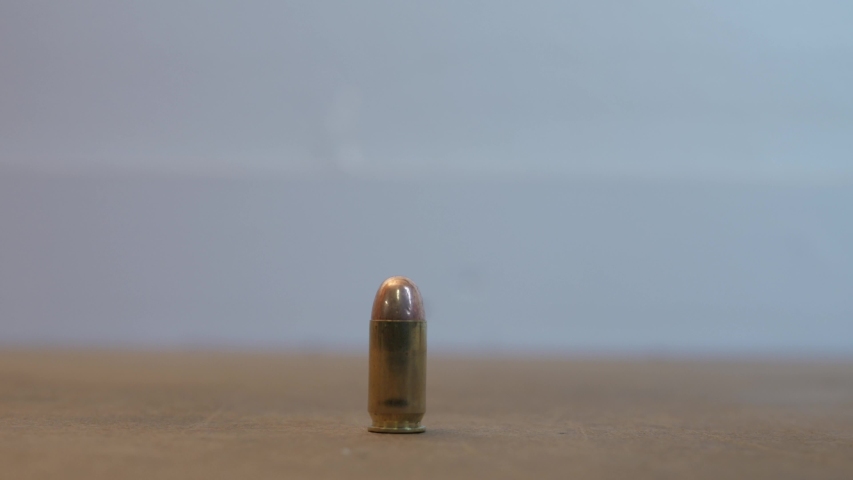
In everyday shooting, the difference between 9mm NATO and standard 9mm Luger is primarily pressure, not dimension. NATO spec loads run hotter, typically around 36,500 psi versus the SAAMI 35,000 psi limit for Luger, which translates to a slightly sharper recoil impulse and higher muzzle velocity. For most handgun owners, this practical difference in felt recoil is negligible during routine range sessions, though it becomes 7mm-08 Ammo for Sale noticeable in rapid-fire drills or with lighter polymer frames. Both cartridges share identical case dimensions, so they are fully interchangeable in any gun chambered for 9mm Luger. However, consistent use of NATO ammunition can accelerate wear on smaller pistols due to increased slide velocity and port pressure.